
Why Airplanes Fly at 30,000 feet

Surely you know that airliners almost always fly at the same altitude, approximately 30,000 feet.
After the take-off, it takes about 20 minutes to reach its cruising altitude. You, as Passenger, realize that you really are at a high altitude when you can’t recognize streets and cities on the ground and the landscape becomes almost uniform.
If you’re wondering why airplane fly at 30,000 feet, I will explain it to you in a very simple way.
Airplanes Cruising Altitude
Flying at high altitude is an important factor for the efficiency of the engines and to reduce air resistance thanks to a low air density.
To understand better these factors we have to distinguish between piston engines and jet engines.
Altitude depends on the type of engines mounted on the plane. Jet engines have the ability to be give more power when the density of air is very low (like at 30,000 feet).
A piston engine isn’t at all efficient when the density of air is low. If you are flying at high altitude with a piston engine, to be able to maintain the cruising speed, you should push on the accelerator, but fuel consuption will also increase.
This happens because lower is the density lower is the quantity of oxigen contained within it.
Less oxygen = more fuel to maintain speed
An jet engine instead, even if air density is low, it can still give a lot of thrust by reducing consumption.
For this reason airlines prefer flying at high altitudes because the minor density doesn’t just reduce consumption, but also reduces drag on the planes fuselage.
Now, I’ll explain it better. There is a very simple principle to keep in mind: the more the air is dense higher is the drag.
The plane flies inside of a fluid: Air. The air molecules rubbing the planes fuselage generate friction and creat drag (slowing the plane).
So, easy to understand that, lower the density lower the drag will be. So That’s why airliners prefer flying at high altitudes.


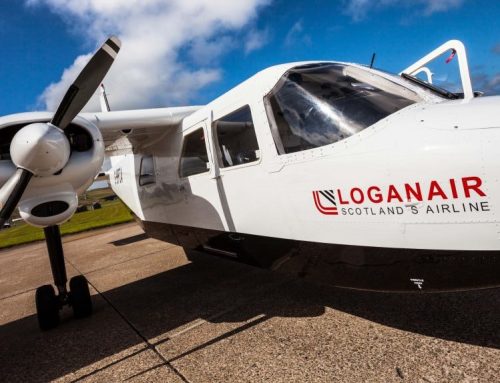
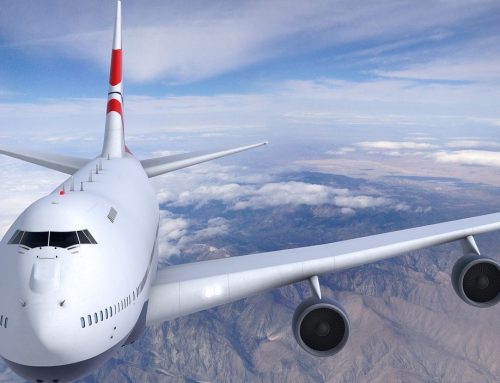


The reference is 30,000 feet and the explanation is at high altitude?
Ok but why 30,000 fee? Why not 40,000 feet or 50 or 32?
The use of ailerons, flaps and rudder is not in use during cruise altitudes. Auto pilot is the name of the game at 30,000 ft so it makes perfect sense to me.
There’s always less usage of ailerons, flaps and rudder at cruising speed so it all makes sense. Pretty much, auto pilot
This reads like it was written by someone who’s native language was NOT English, if this is not true, u need a better editor.
LOL
I agree! Or get someone to proofread before you publish anything.